Brad Pitt
Actor; Once Upon a Time in Hollywood, Fight Club
"A restless Sagittarius fire wrapped in the stoic discipline of a dense Capricorn stellium."
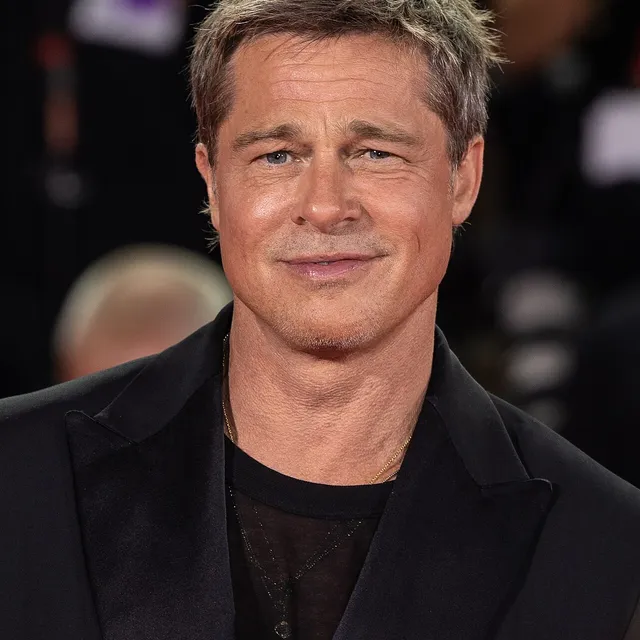
What this chart says about Brad Pitt
Personality and temperament
With an unaspected Sun in Sagittarius in the first house, Pitt projects an autonomous, singular identity that operates free from standard planetary friction. Beneath that expansive surface sits a heavy Earth emphasis anchored by a stellium of the Moon, Mercury, and Venus in Capricorn. This combination blends adventurous enthusiasm with disciplined, practical reserve. His Mars is out-of-bounds in Capricorn and forms an exact trine to Uranus, pointing to an intense, self-directed drive and an appetite for unconventional physical commitments.
Love and relationships
Pitt's romantic profile is centered on a tight conjunction of Venus and the Moon in Capricorn in the second house. This placement seeks enduring value, structural loyalty, and shared resources in intimate bonds, yet its reserve can make emotional vulnerability a deliberate, slow-building process. Mars sits on his South Node, introducing recurring patterns around autonomy and partnership friction. Major relational shifts, including his marriages and subsequent divorces with Jennifer Aniston and Angelina Jolie, unfolded under significant outer-planet transits to his Venus and natal angles.
Career and vocation
A heavy Cardinal modality and an exact Mars-Uranus trine define Pitt's professional stamina and taste for sharp artistic pivots. He moved steadily between mainstream headliners like Thelma & Louise and challenging character roles in Fight Club and Once Upon a Time in Hollywood. The strong second-house Capricorn emphasis and Mars square Jupiter also translate into commercial acumen, reflected in his founding of Plan B Entertainment and his dual Academy Award wins across both acting and producing categories.
System notes
5 systems name something specific to Brad Pitt; the other 7 are computed in full below.
Operates through selective invitations and instinctual timing, moving from experimental networking toward role-model authority.
Navigates the creative shift from Obscurity to Idealism while transmuting emotional Turbulence into broad human compassion.
Emphasizes structural endurance, production discipline, and long-range foundations in his enterprise work.
Reflects executive command, structural control, and establishing an enduring professional legacy.
Highlights a symbolic role at the front lines of large cultural projects, carrying collective attention.